PGSSL — Planetary Geology & Surface Simulation LabExploring planetary surface processes through geology, simulation & exploration
The Planetary Geology and Surface Simulation Laboratory (PGSSL), led by Dr. Trishit Ruj at the Institute for Planetary Materials, Okayama University, focuses on the exploration and analysis of planetary surfaces, particularly Mars, to unravel their geological history, environmental conditions, and potential habitability.
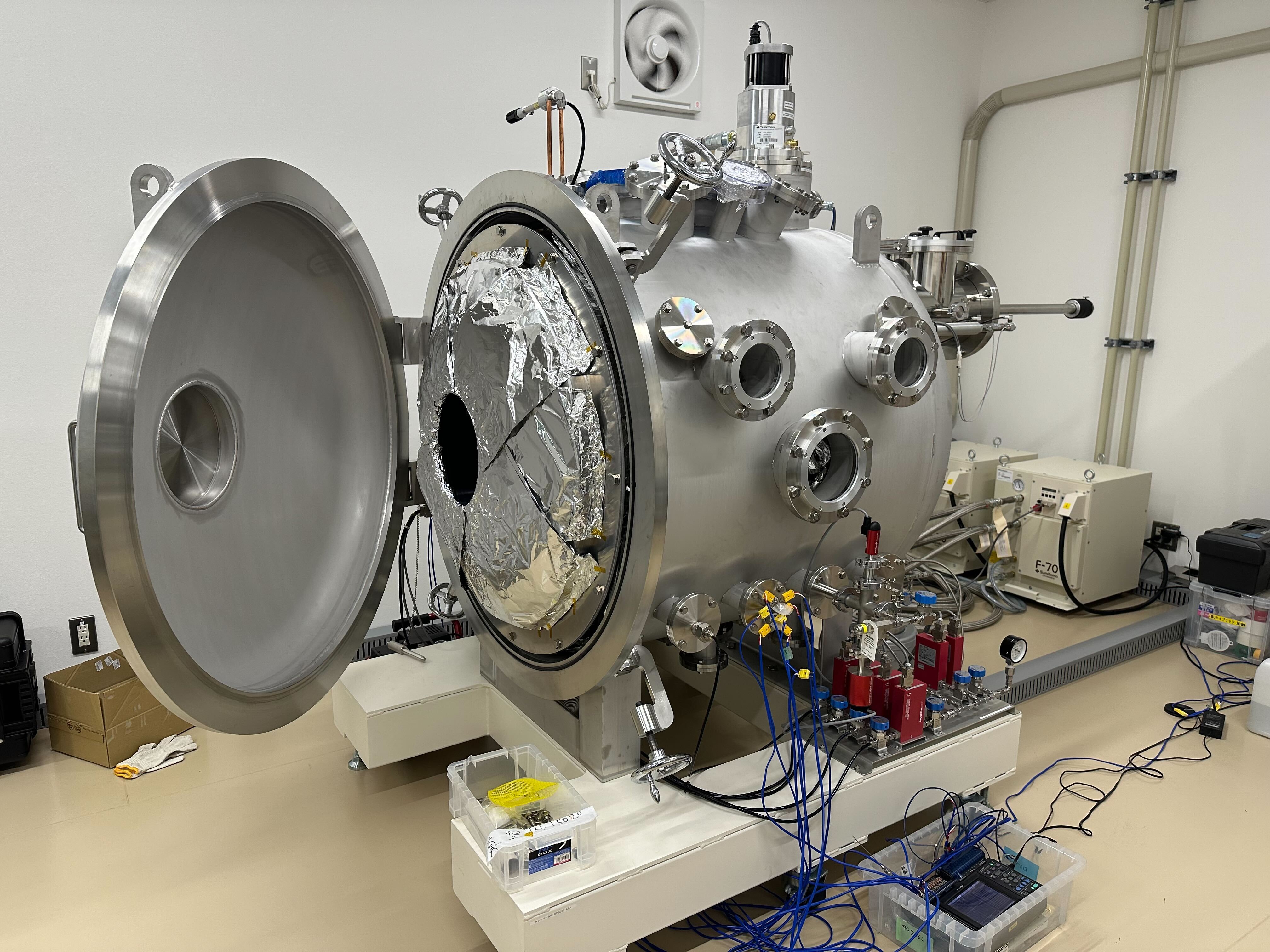
We employ interdisciplinary methods, integrating planetary geology, remote sensing, geomorphology, and experimental simulations. Our laboratory is equipped with custom-built Martian environmental simulation chambers, enabling precise replication of planetary surface processes.
We are dedicated to advancing planetary science by bridging laboratory experiments, field analog research, and computational modeling. Our international collaborations span Japan, India, Europe, and beyond.
We examine Martian polygonal terrain and scalloped depressions to infer ice-related periglacial activity and seasonal freeze-thaw cycles.
We simulate present-day brine dynamics using environmental chambers to understand metastable liquid water occurrence in cold Martian regions.
Through tank experiments and remote sensing, we reconstruct paleolake deltas and interpret large-scale regression signatures on ancient Mars.
We analyze tectonic structures in polar and farside regions of the Moon to estimate crustal stress states and seismic hazard for future missions.
We apply deep learning models to classify geomorphic features on Mars using high-resolution topography and hyperspectral datasets.
We explored early lithospheric deformation in Mars' southern highlands, identifying crustal extension and compressional tectonics as indicators of ancient dynamic regimes.
Reference: Ruj et al., 2019 – Geoscience Frontiers
Our research identified young volcanic features associated with wrinkle ridges on the Moon and Mars, challenging the assumption that compressional zones lack volcanism.
References: Ruj & Kawai, 2021 – Icarus, Zhang et al., 2023 – Nat. Comm.
We assessed lunar landing safety by modeling crustal stresses, analyzing slope instability, and identifying seismic hazards near targeted regions such as Chandrayaan-3's site.
References: Ruj et al., 2022 – Icarus, Sinha et al., 2023 – Icarus
Principal Investigator
Associate Professor, IPM, Okayama University
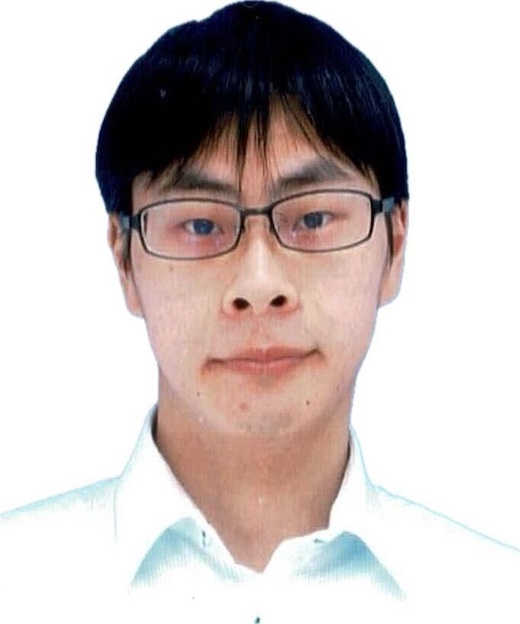
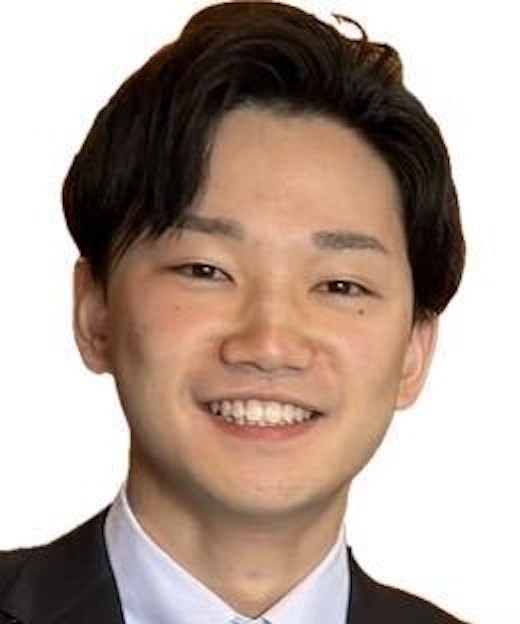
M.Sc Student (M2)
Research Topic: Delta Morphology and reconstructing Martian global regression
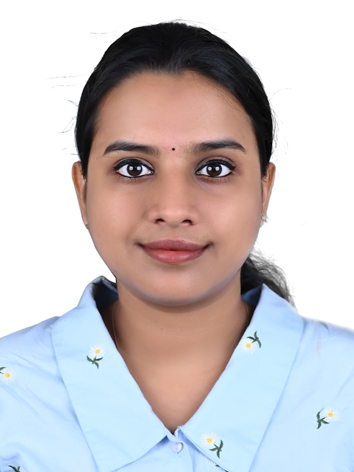
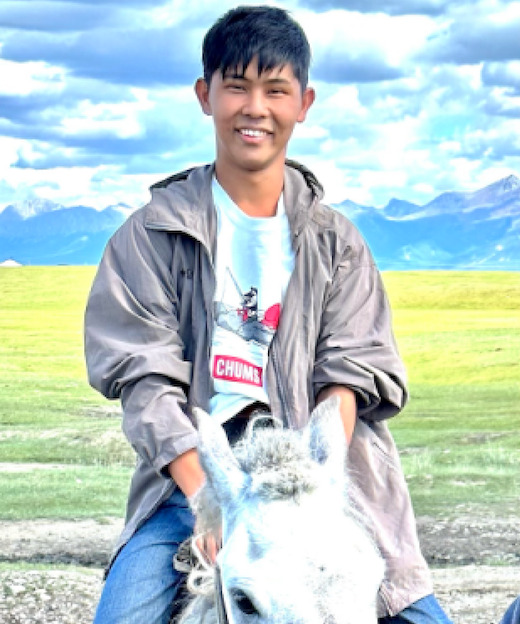
M.Sc Student (M2)
Research Topic: Polygon morphology and identification of near-surface ice
M.Sc Student (M2)
Research Topic: Present-day water activity on Martian high-latitudes
M.Sc Student (M2)
Research Topic: Water-ice distribution on Martian subsurface
🎓 Takamu Chijiiwa received the OU-SPRING Fellowship to begin his PhD at Okayama University.
🧪 The Planetary Surface Simulation Chamber has been fully installed and is ready for experiments.
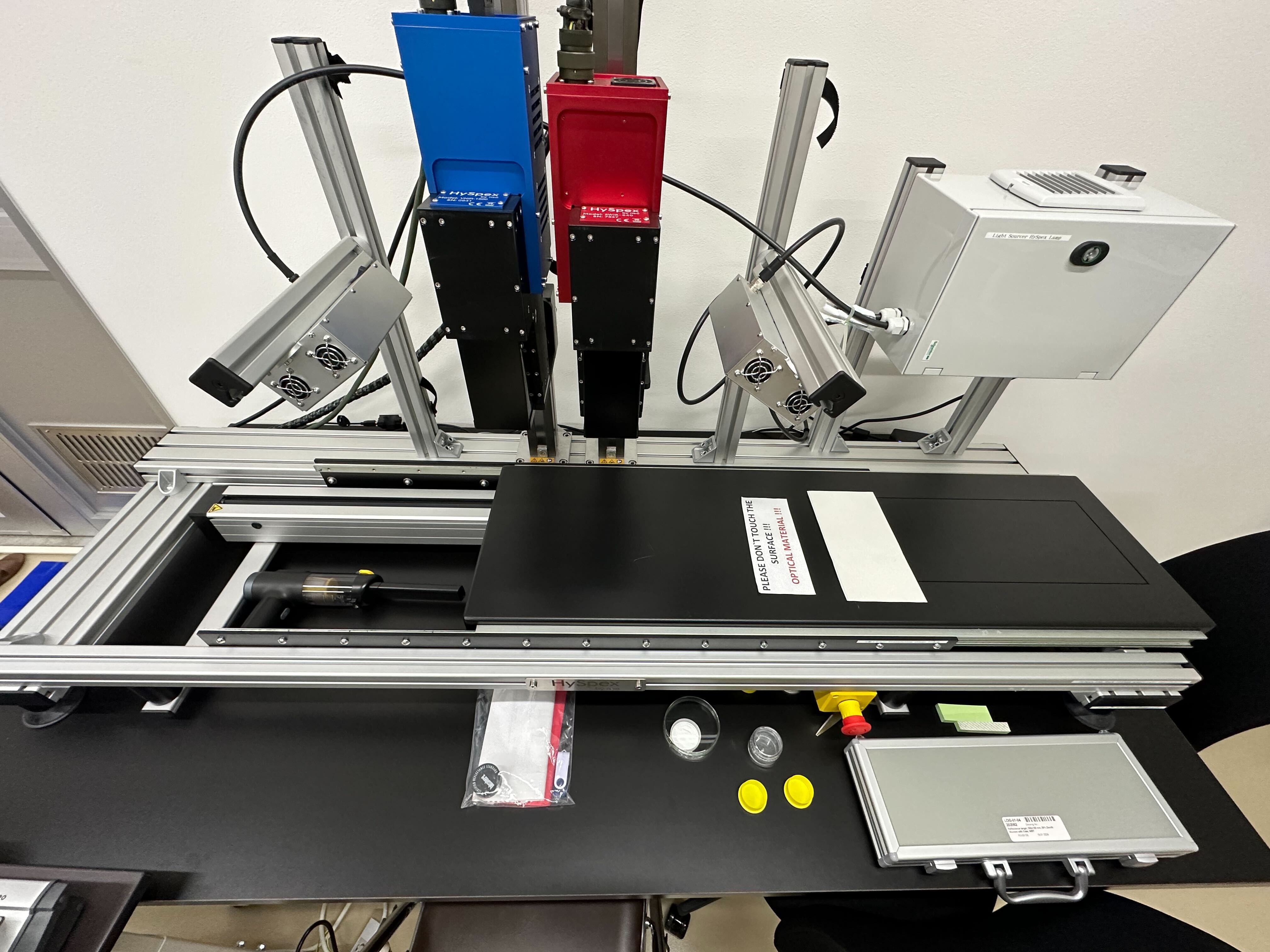
📷 Installation completed for our new Hyperspectral Imaging Systems (VNIR 400–1000 nm, SWIR 950–2500 nm).
🚚 Delivery scheduled for the simulation chamber and hyperspectral imaging systems.
📰 Press coverage on EurekAlert featuring our Geology study on Martian mid-latitude ice accumulation.
🪐 Trishit Ruj to present Martian Ice and Ice Deposition Patterns at the European Planetary Science Congress in Helsinki.
🛰️ Hiral PB will present at the Japan Society for Planetary Science Annual Meeting in Tokyo.
🎉 Hiral PB awarded Early Career Sponsorship for the Mars Through Time Conference in Paris.
📄 A first-author paper by Trishit Ruj accepted in Geology, presenting new insights into Martian mid-latitude glaciation.
🏜️ Field campaign at the Tottori Sand Dunes successfully completed.
🏆 Trishit Ruj received the Inamori Foundation Research Grant.
🌏 Hiral PB awarded the HISF International Scholarship.