IPM Okayama University

Decoding planetary surfaces through experiments and exploration.

The Planetary Geology and Surface Simulation Lab investigates Mars and other planetary bodies by combining environmental chamber experiments, geomorphology, remote sensing, field analog studies, and planetary mapping.

Mars Brines, ice, deltas, periglacial activity
Lab + Field Simulation integrated with analog observations
Remote Sensing Planetary mapping and orbital interpretation
Core Facility

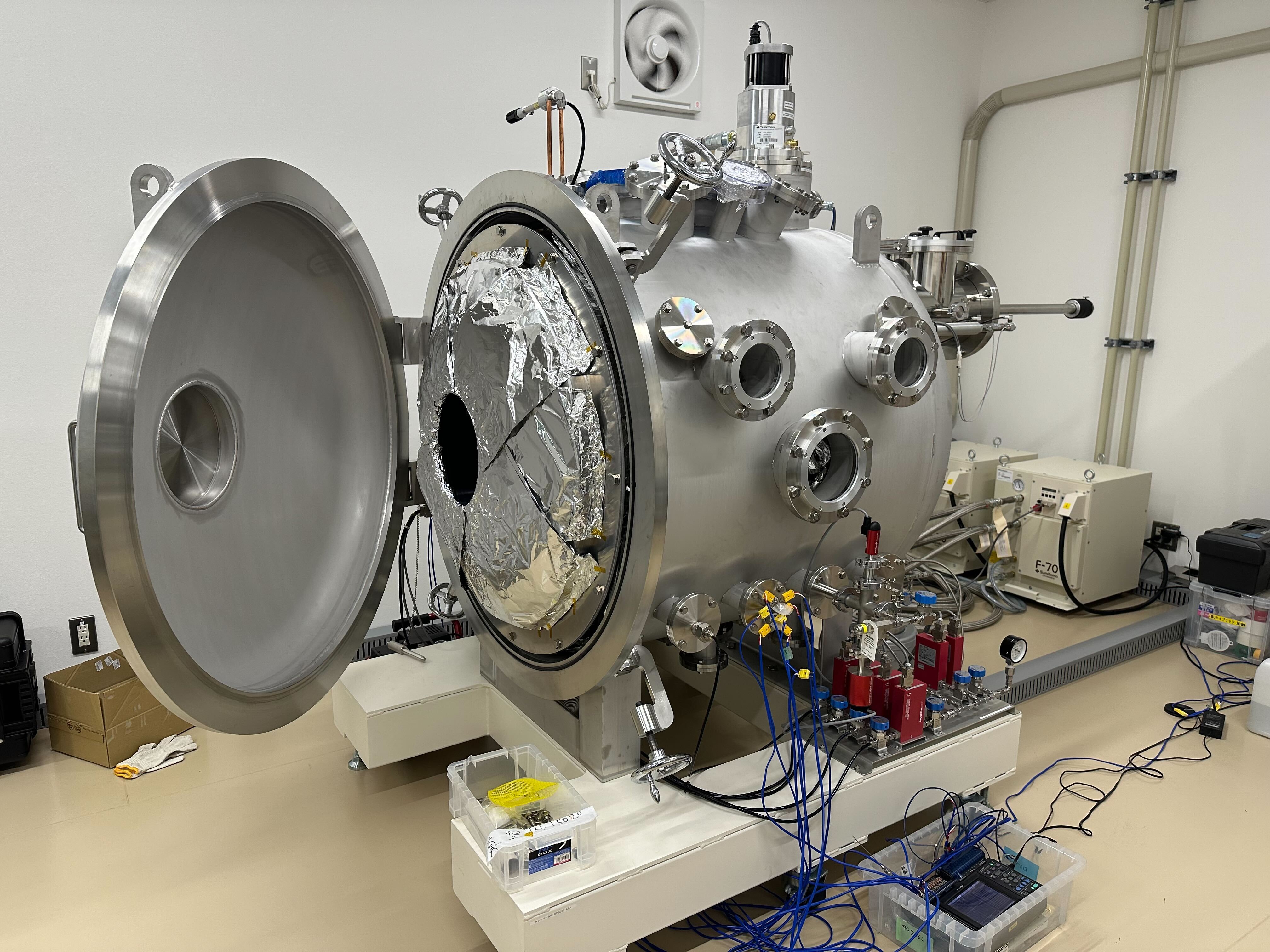
MISASA Chamber

Experimental simulation of Mars-relevant near-surface conditions.

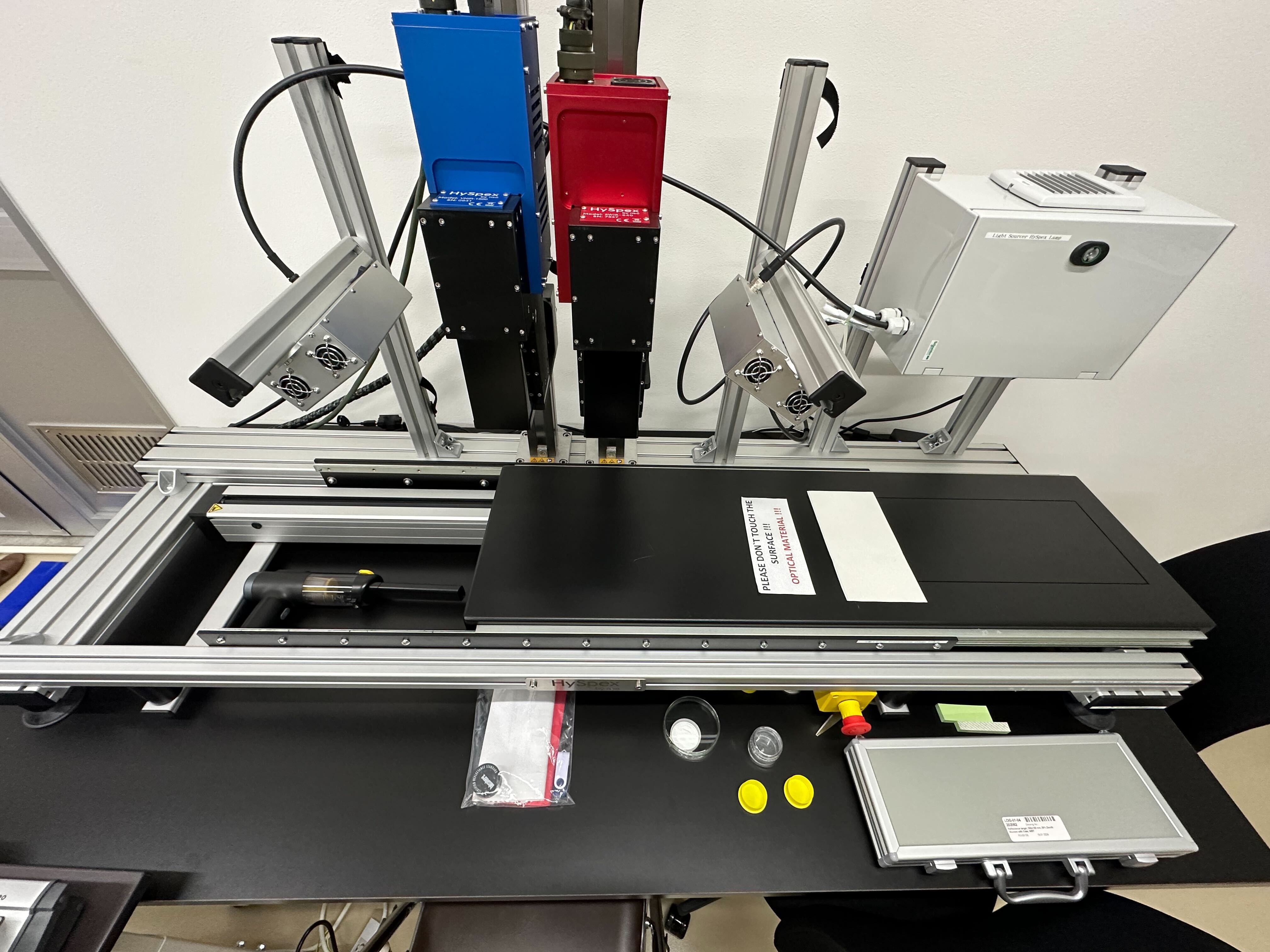
Spectral Analysis

VNIR-SWIR Imaging

Linking lab products with orbital observations and analog materials.

Current Themes

Brines, Ice, Deltas

Process-based planetary surface science across scales.

Planetary surface science with an experimental core

We investigate the evolution of planetary surfaces by integrating environmental simulation, geomorphic analysis, planetary mapping, field analog studies, and mission-relevant interpretation.

The Planetary Geology and Surface Simulation Laboratory, led by Dr. Trishit Ruj at the Institute for Planetary Materials, Okayama University, focuses on understanding planetary surfaces, especially Mars, through a combination of geology, experiments, and remote sensing.

Our research spans Martian brine stability, periglacial activity, paleohydrology, planetary tectonics, surface analog studies, and machine learning applications in planetary mapping.

By connecting chamber experiments with orbital observations and field analogs, we aim to test process-based hypotheses rather than relying only on visual interpretation.

Experimental Simulation

Controlled chamber studies for Mars-relevant surface processes, hydration changes, and material evolution.

Field Analogs

Earth environments used to refine interpretations of planetary sedimentary and geomorphic processes.

Remote Sensing

Orbital observations and mapping integrated with lab results for process-based planetary interpretation.

Active investigations across Mars and planetary materials

Current work in the lab focuses on near-surface activity, environmental thresholds, and reconstructing past planetary environments.

Brine Stability Under Martian Conditions

Simulating deliquescence, transient liquid formation, evaporation, and hydration changes under Mars-relevant environmental conditions.

Periglacial Processes on Mars

Investigating polygonal terrain, scalloped depressions, and ground-ice related landforms to understand Martian cold-climate activity.

Delta Morphodynamics

Tank experiments and remote sensing to reconstruct paleolake and paleo-ocean transitions on Mars.

AI Planetary Mapping

Deep learning approaches for geomorphic classification and planetary surface analysis.

Lunar Tectonics

Crustal stresses, tectonic structures, and surface hazards relevant to lunar exploration.

Lab to Orbit Linking

Connecting experimental observations and spectral data with orbital signatures on planetary surfaces.

Experimental infrastructure built for planetary surface science

Our facilities combine environmental simulation and spectral imaging to directly investigate Mars-relevant processes in the lab.

Mars chamber facility
Core Facility

MISASA Mars Surface Simulation Chamber

Our Mars chamber is designed to reproduce key near-surface Martian environmental conditions for controlled laboratory experiments on brine formation, evaporation, frost-related activity, desiccation, mineral stability, and regolith-atmosphere interactions.

It forms the experimental backbone of the lab and allows us to directly test hypotheses derived from orbital datasets, geomorphic interpretation, and field analog studies.

Low-pressure simulation Brine and frost experiments Mineral stability Planetary analog studies
Hyperspectral imaging system with stage
Imaging System

Hyperspectral Imaging and Motorized Stage

The facility includes VNIR and SWIR hyperspectral imaging systems integrated with a motorized scanning stage for detailed spectral characterization of samples, analog materials, and experimental products.

This allows us to examine hydration-related spectral changes, mineralogical evolution, and comparison between laboratory results and orbital observations from Mars missions.

VNIR imaging SWIR imaging Motorized stage scanning Lab to orbit comparison

Brine Experiments

Deliquescence, transient liquid formation, evaporation pathways, and water activity under Mars-relevant conditions.

Frost and Ice Processes

Frost formation, sublimation, and cold-environment surface modifications relevant to Martian high and mid-latitudes.

Surface Process Analysis

Interpretation of chamber results together with field analog observations and planetary geomorphic datasets.

Spectral Comparison

Comparison of laboratory products with planetary orbital spectra and mission observations, especially for Mars.

People in the lab

Our group brings together planetary geology, geomorphology, remote sensing, and experimental surface science.

Trishit Ruj

Trishit Ruj

Principal Investigator

Associate Professor, Institute for Planetary Materials, Okayama University

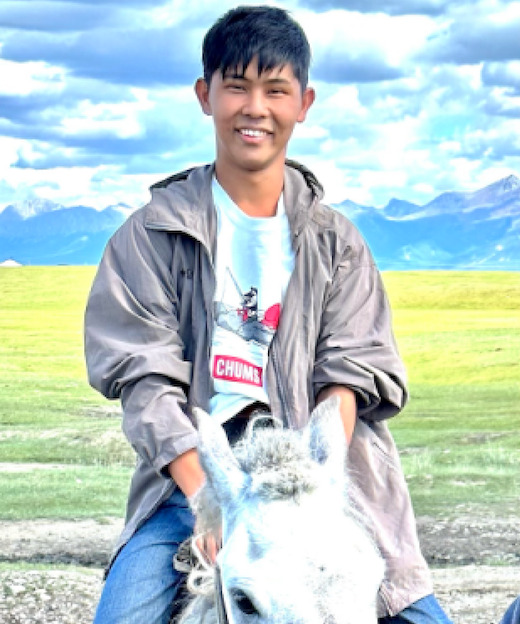
Ren Kito

Ren Kito

M.Sc Student

Delta morphology and reconstruction of Martian global regression

Takaki Sako

Takaki Sako

M.Sc Student

Polygon morphology and identification of near-surface ice

Takumu Chijiiwa

Takumu Chijiiwa

M.Sc Student

Present-day water activity in Martian high latitudes

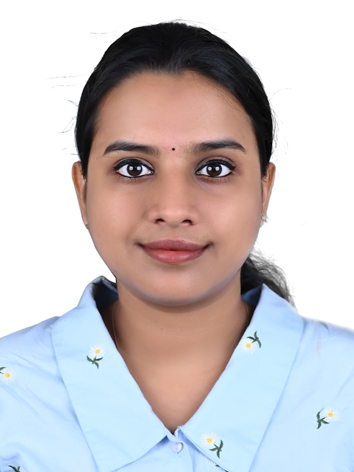
Hiral Bhatt

Hiral PB

M.Sc Student

Water-ice distribution in the Martian subsurface

Project gallery

A visual snapshot of the lab’s experimental, field, and planetary research activities.

Recent highlights from the lab

Awards, facility milestones, publications, and conference activities.

March 2026

πŸ† Takaki Sako received the Dean’s Choice Award at Okayama University.

December 2025

πŸŽ“ Takumu Chijiiwa received the OU-SPRING Fellowship to begin his PhD at Okayama University.

November 2025

πŸ§ͺ The Planetary Surface Simulation Chamber was fully installed and became ready for experiments.

November 2025

πŸ“· Installation completed for the new Hyperspectral Imaging Systems covering VNIR and SWIR ranges.

October 2025

πŸ“° Press coverage on EurekAlert featured our Geology study on Martian mid-latitude ice accumulation.

August 2025

πŸ“„ A first-author paper by Trishit Ruj was accepted in Geology, presenting new insights into Martian mid-latitude glaciation.

April 2025

πŸ† Trishit Ruj received the Inamori Foundation Research Grant.

April 2025

🌏 Hiral PB received the HISF International Scholarship.